How to Cure Sensitive Teeth: Causes, Effective Remedies & Long-Term Solutions
If you’ve ever winced after sipping a cold drink, biting into hot food, or brushing your teeth, you’re not alone. Many people experience pain or discomfort from sensitive teeth. Sensitive teeth can make everyday activities unpleasant and may even affect your oral health if left unmanaged. In this article, we’ll explore how to cure sensitive teeth — from understanding what causes sensitivity to practical home remedies and professional treatments that can help you find lasting relief.
What Are Sensitive Teeth?
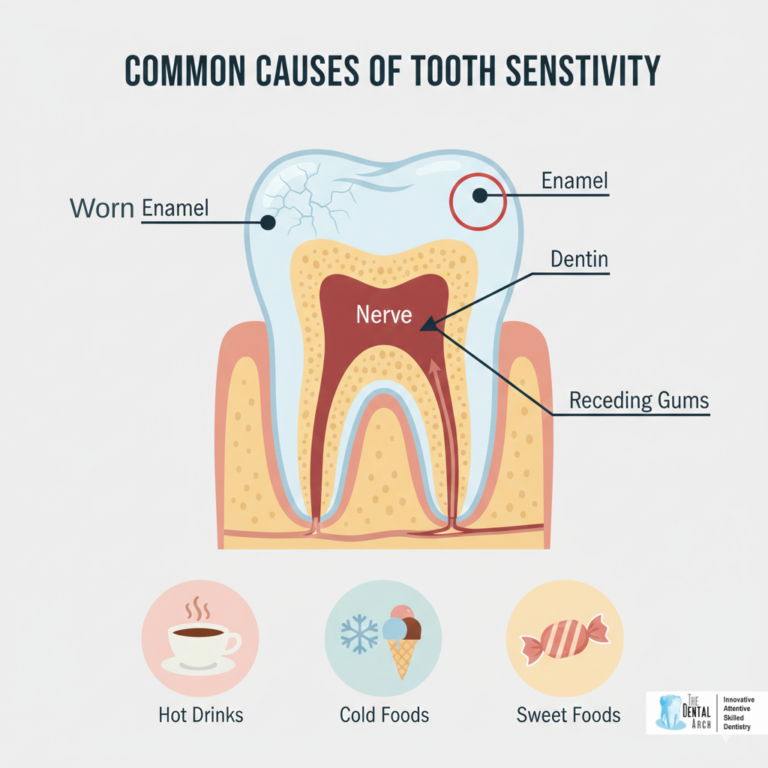
Sensitive teeth occur when the dentin, the inner part of the tooth beneath the enamel, becomes exposed or when the protective layers of your teeth are worn down, allowing stimuli (such as temperature changes) to reach the nerves inside the tooth. This often leads to sharp or dull pain triggered by hot, cold, sweet, or acidic foods and drinks.
Common Causes of Sensitive Teeth
To know how to cure sensitive teeth, it helps to first understand what causes them in the first place. Tooth sensitivity can arise from several factors:
1. Enamel Erosion
Tooth enamel is the protective outer layer of the tooth. When enamel wears away due to acidic foods, aggressive brushing, or acid reflux, the softer dentin underneath becomes exposed and sensitive.
2. Gum Recession
When gums recede, usually due to gum disease or incorrect brushing, the root surface of the tooth, which lacks enamel, becomes exposed and sensitive.
3. Dental Issues
Cavities, cracked or broken teeth, and worn fillings can expose dentin or nerve endings, leading to sensitivity.
4. Acidic Foods and Drinks
Acidic beverages like soda, citrus juices, and sports drinks gradually erode enamel, making teeth more prone to pain and sensitivity.
5. Brushing Too Hard or Using a Hard Toothbrush
Brushing aggressively or with a hard-bristled toothbrush can wear down enamel and contribute to gum recession, resulting in sensitivity.
6. Teeth Grinding
Clenching or grinding your teeth can wear down enamel and expose dentin, increasing sensitivity.
How to Cure Sensitive Teeth: Effective Home Remedies
If you’re asking how to cure sensitive teeth, the good news is that there are several safe and effective methods to help reduce or eliminate discomfort. Many of these remedies can be tried at home while you work with your dentist to control underlying causes.
1. Use Desensitizing Toothpaste
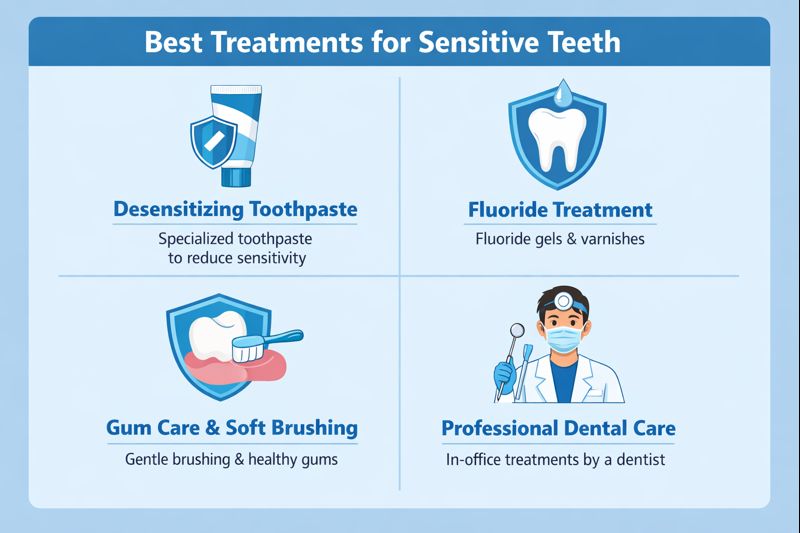
One of the most effective ways to cure sensitive teeth is to switch to a toothpaste designed for sensitive teeth. These products often contain potassium nitrate or stannous fluoride, which help block nerve signals and strengthen enamel.
How to use:
- Brush with sensitive-specific toothpaste twice daily
- Apply a small amount to sensitive areas and avoid rinsing immediately
Consistency is key — it may take a few weeks to notice significant improvement.
2. Soft-Bristled Toothbrush and Proper Brushing Technique
Brushing with a soft-bristled toothbrush and using gentle circular motions can protect enamel and prevent gum recession, which are crucial steps in how to cure sensitive teeth.
3. Salt Water Rinse
A saltwater rinse can help reduce inflammation and kill bacteria that may be contributing to sensitive teeth.
How to prepare:
- Add ½ teaspoon of salt to a cup of warm water
Swish in your mouth for 30 seconds twice daily
4. Coconut Oil Pulling
Oil pulling with coconut oil may reduce bacteria in your mouth and improve gum health, which can indirectly help relieve sensitivity.
How to do it:
- Swish 1 tablespoon of coconut oil in your mouth for 10–15 minutes
- Spit it out and rinse with warm water
5. Clove Oil Application
Clove oil has natural numbing and antibacterial properties, making it a helpful remedy in how to cure sensitive teeth.
Usage tip:
- Dab a small amount of clove oil on a cotton ball and gently apply to the sensitive area
6. Green Tea Rinse
Green tea is rich in antioxidants and may help reduce gum inflammation that contributes to tooth sensitivity.
7. Avoid Acidic Foods and Drinks
Reducing your intake of acidic foods and drinks, such as citrus fruits, soda, coffee, and wine, can protect enamel and help you focus on how to cure sensitive teeth in the long term.
If you do consume acidic items, drinking water afterward can help neutralize the acids and protect your enamel
Long-Term Strategies to Cure Sensitive Teeth
Beyond home remedies, there are several professional and preventive measures that can help cure sensitive teeth or prevent them from worsening.
1. Fluoride Treatments
Your dentist may recommend fluoride varnish or gel, which strengthens enamel and helps ease sensitivity — a key part of understanding how to cure sensitive teeth. Fluoride products can remineralize your enamel and decrease the chance of pain in response to hot, cold, or sweet stimuli.
2. Dental Adhesives and Sealants
If your sensitivity is caused by exposed root surfaces, your dentist can apply a dental adhesive or sealant to protect those areas and reduce discomfort.
3. Treatment for Gum Disease
Gum disease can lead to gum recession and increased sensitivity. Professional dental cleaning and periodontal treatment can help manage gum health and contribute to curing sensitive teeth.
4. Mouth Guards for Teeth Grinding
If grinding or clenching is causing wear and sensitivity, a custom-fitted mouth guard can protect enamel and prevent further damage.
5. Avoid Over-Brushing and Abrasive Toothpastes
Using abrasive whitening toothpaste or brushing too hard can damage enamel and worsen sensitivity. Switching to gentle oral care products is a practical step in how to cure sensitive teeth.
When to See a Dentist
While most causes of sensitive teeth can be managed with the right approach, persistent or severe pain should prompt a dental evaluation. If sensitivity does not improve after using home remedies and adjustments, it could be a sign of underlying issues such as cavities, cracked teeth, or gum disease that need professional resolution.
Your dentist can diagnose the cause and recommend tailored treatments for your specific condition.
Final Thoughts: Your Guide on How to Cure Sensitive Teeth
Sensitive teeth can be uncomfortable, but with the right strategy focused on relief and prevention, you can reduce pain and protect your oral health. Understanding how to cure sensitive teeth starts with identifying triggers, making daily changes, and using effective treatments, both at home and with professional support.
Whether you start with desensitizing toothpaste, adopt gentle brushing habits, or explore professional options like fluoride treatments and sealants, chronic sensitivity doesn’t have to be part of your life.
Feel free to consult with a dental professional to create a personalized plan to cure sensitive teeth and maintain a comfortable, healthy smile.