Why Blood Comes From Mouth? Causes, Symptoms & When to Worry
Noticing blood coming from your mouth can be alarming. Many people experience bleeding while brushing, spitting, or even without any obvious reason. While the cause is often minor and related to oral health, in some cases it may indicate a more serious condition. Orthodontic issues can also cause dental discomfort.
In this article, we explain why blood comes from the mouth, common reasons behind it, associated symptoms, treatment options, and when you should seek medical or dental help.
What Does Blood Coming From the Mouth Mean?
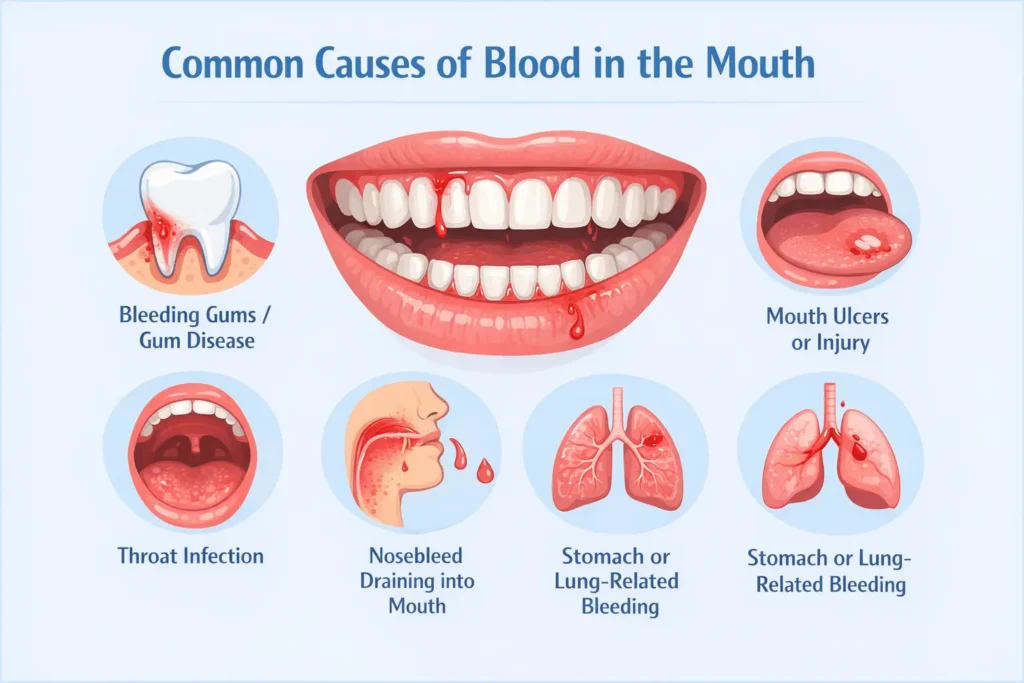
Blood in the mouth usually originates from the gums, teeth, tongue, throat, or oral tissues. The exact reason depends on factors such as oral hygiene, infections, injuries, medications, or underlying health conditions.
Understanding the cause early helps prevent complications.
Common Reasons for Blood in the Mouth
Below are the most common and medically recognized causes.
1. Gum Disease (Most Common Cause)
Gum disease is the leading reason for blood in the mouth.
Why does it happen:
Plaque and tartar buildup
Bacterial infection of the gums
Inflammation (gingivitis)
Symptoms:
Bleeding while brushing or flossing
Red, swollen, or tender gums
Bad breath
Gum pain
If untreated, gum disease can progress to periodontitis, which may cause tooth loss and sometimes require tooth extraction.
2. Brushing Too Hard or Using a Hard Toothbrush
Sometimes, bleeding is caused by mechanical injury rather than disease.
Common causes:
This type of bleeding is usually mild and stops quickly after improving brushing habits.
3. Mouth Ulcers or Oral Injuries
Small wounds inside the mouth can bleed.
Causes include:
These injuries usually heal within 7–10 days. In some cases, dental procedures such as wisdom tooth removal can also cause temporary bleeding. Following the proper dos and don’ts after wisdom tooth extraction helps prevent complications.
4. Tooth Infection or Dental Abscess
A dental infection can explain why blood comes from the mouth, especially when accompanied by pain. In many cases, root canal treatment is required to remove the infection and save the tooth.
Symptoms:
This condition requires urgent dental treatment such as a root canal procedure to remove the infection.
5. Blood in Mouth While Spitting in the Morning
Many patients report seeing blood only in the morning.
Possible reasons:
Dry mouth during sleep
Mouth breathing
Early gum disease
Smoking or tobacco use
If this occurs regularly, a dental examination is recommended.
6. Medications and Medical Conditions
Certain medicines and health issues increase bleeding risk.
Examples:
If bleeding occurs without dental causes, medical evaluation is important.
7. Smoking and Tobacco Use
Tobacco irritates oral tissues and weakens gum health.
Effects:
Quitting tobacco significantly improves oral and overall health.
8. Serious Causes (Rare but Important)
In rare cases, blood from the mouth may indicate:
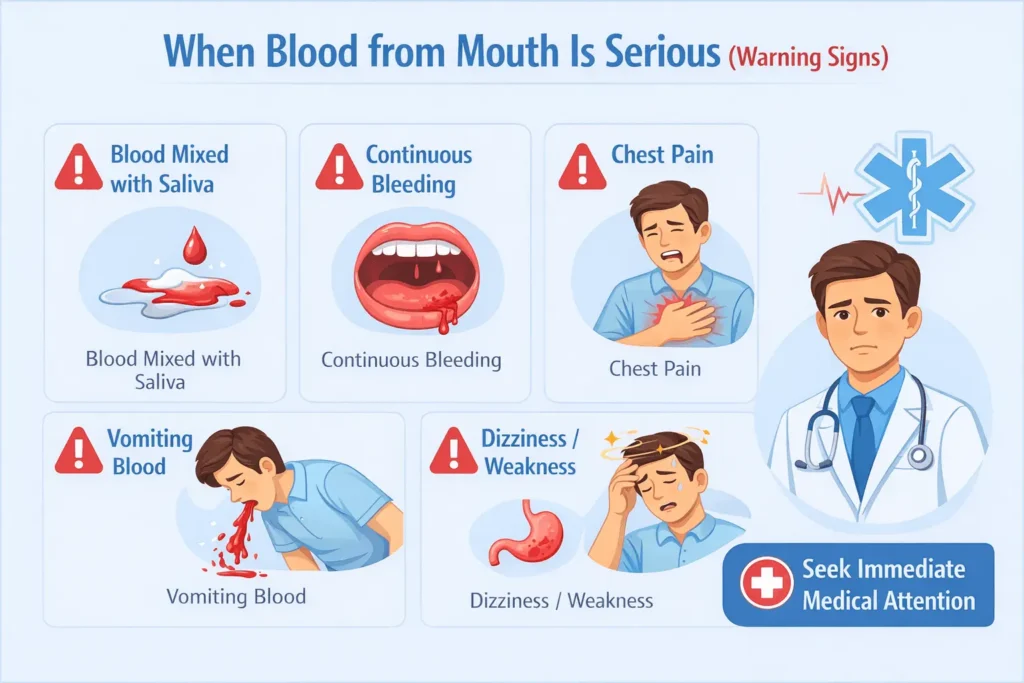
Immediate medical attention is needed if bleeding is heavy, frequent, or unexplained.
Symptoms That May Occur With Mouth or Throat Bleeding
Depending on the cause, you may notice additional symptoms.
Digestive System Symptoms
Respiratory Symptoms
General Warning Signs
Dizziness or fainting
Weakness or fatigue
Pale skin
When Should You Go to the Emergency Room?
Seek immediate medical care if you experience:
Difficulty breathing or choking
Continuous bleeding lasting more than 24 hours
Swelling of the neck or throat
Large amounts of blood while spitting or coughing
Dizziness, fainting, or weakness
Small amounts of bleeding related to gums or teeth can usually be treated by a dentist, but severe symptoms should never be ignored. After dental surgery or extraction, eating the right foods is important for healing. Choosing soft foods after tooth extraction helps avoid irritation and bleeding.
How Is the Cause Diagnosed?
A dentist or doctor may:
Examine your mouth and gums
Check for infections or injuries
Take dental X-rays if required
Review your medical history and medications
Accurate diagnosis ensures proper treatment.
Treatment for Blood in the Mouth
Treatment depends on the underlying cause:
Professional dental cleaning for gum disease
Correct brushing and flossing techniques
Treatment for tooth infection (medication or root canal)
Nutritional supplements, if deficiencies exist
Medical referral if bleeding is not dental-related
How to Prevent Blood Coming From the Mouth
You can reduce the risk by:
Brushing twice daily with a soft toothbrush
Flossing gently
Using an antiseptic mouthwash
Avoiding tobacco products
Maintaining a balanced diet
Visiting your dentist every 6 months
Final Thoughts
Reducing your intake of acidic foods and drinks, such as citrus fruits, soda, coffee, and wine, can protect enamel and help you focus on how to cure sensitive teeth in the long term.
If you do consume acidic items, drinking water afterward can help neutralize the acids and protect your enamel
FAQs: Why Blood Comes From Mouth?