
Dental plaque is a sticky, colorless film of bacteria that constantly forms on your teeth. If not removed regularly, plaque can lead to serious oral health problems such as cavities, gum disease, and bad breath. Understanding how to effectively remove plaque is essential for maintaining a healthy smile and preventing dental issues.
Plaque is a soft, sticky layer composed of bacteria and food particles that accumulate on teeth and along the gumline. It forms when bacteria in your mouth mix with sugars and starches from food. Plaque can harden into tartar if not removed, making it more difficult to clean and increasing the risk of gum inflammation.
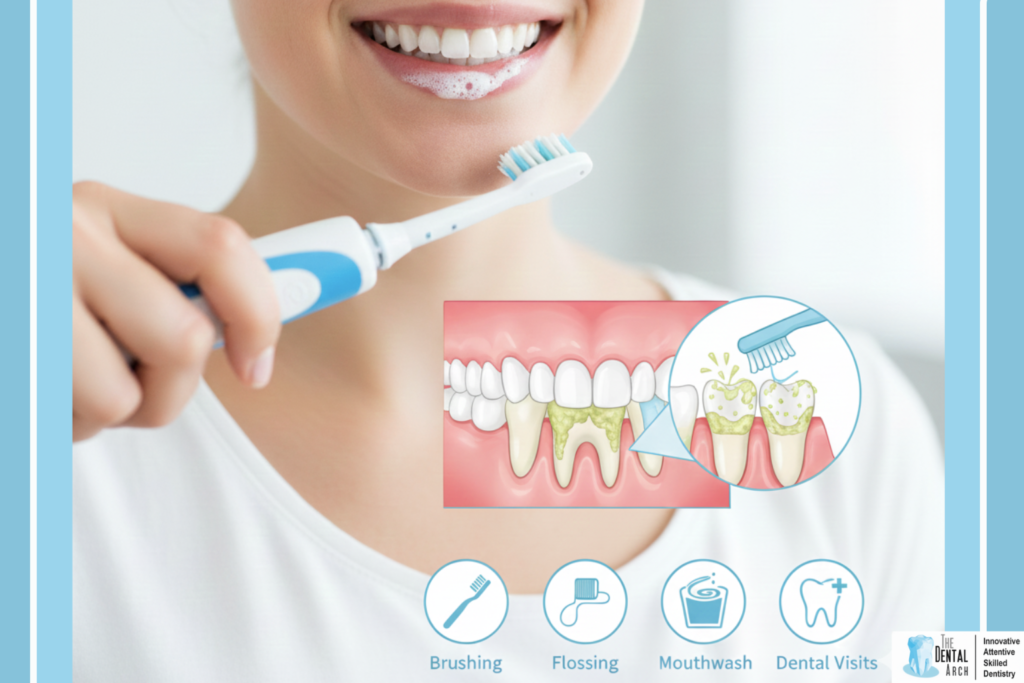
If plaque remains on teeth, it produces acids that attack tooth enamel, leading to decay and cavities. It also irritates the gums, causing redness, swelling, and bleeding—early signs of gum disease. Removing plaque regularly helps prevent these issues, promotes fresh breath, and supports overall oral health.
Regular visits to your dentist for professional cleanings are crucial. Dental hygienists can remove hardened plaque (tartar) that brushing and flossing cannot eliminate, maintaining gum health.
Limit sugary and starchy foods that feed plaque-forming bacteria. Drinking plenty of water helps wash away food particles. Eating crunchy fruits and vegetables like apples and carrots can naturally clean teeth surfaces.
Interdental brushes and water flossers can be effective adjuncts to regular brushing and flossing, especially for people with braces, bridges, or wider gaps between teeth.
Consistency is key. Stick to your oral hygiene routine daily, replace your toothbrush every 3 to 4 months, and avoid tobacco products that contribute to plaque formation and gum disease.
If you notice persistent bad breath, swollen or bleeding gums, or visible hardened deposits on your teeth, it may indicate plaque has turned into tartar and professional treatment is needed. Early intervention can prevent progression to more serious gum disease.
Removing plaque is essential for preventing tooth decay and gum disease. By adopting proper brushing, flossing, and professional care habits, you can keep your teeth clean and your smile healthy. Make these practices part of your daily routine for lasting oral health.
Plaque forms when bacteria in the mouth mix with sugars and starches from food, creating a sticky film that adheres to teeth and gums.
Brushing removes most plaque on tooth surfaces, but flossing is necessary to clean between teeth and under the gumline where brushes can’t reach.
It’s recommended to have professional dental cleanings every six months to remove hardened plaque (tartar) that cannot be removed by regular brushing and flossing.
Yes, antiseptic mouthwashes reduce bacteria in the mouth and help prevent plaque buildup when used alongside brushing and flossing.
Yes, limiting sugary and starchy foods reduces the food supply for bacteria that cause plaque. Eating crunchy fruits and vegetables can also help clean teeth naturally.
Signs include visible yellow or brown deposits on teeth, persistent bad breath, and gum inflammation such as redness or bleeding.