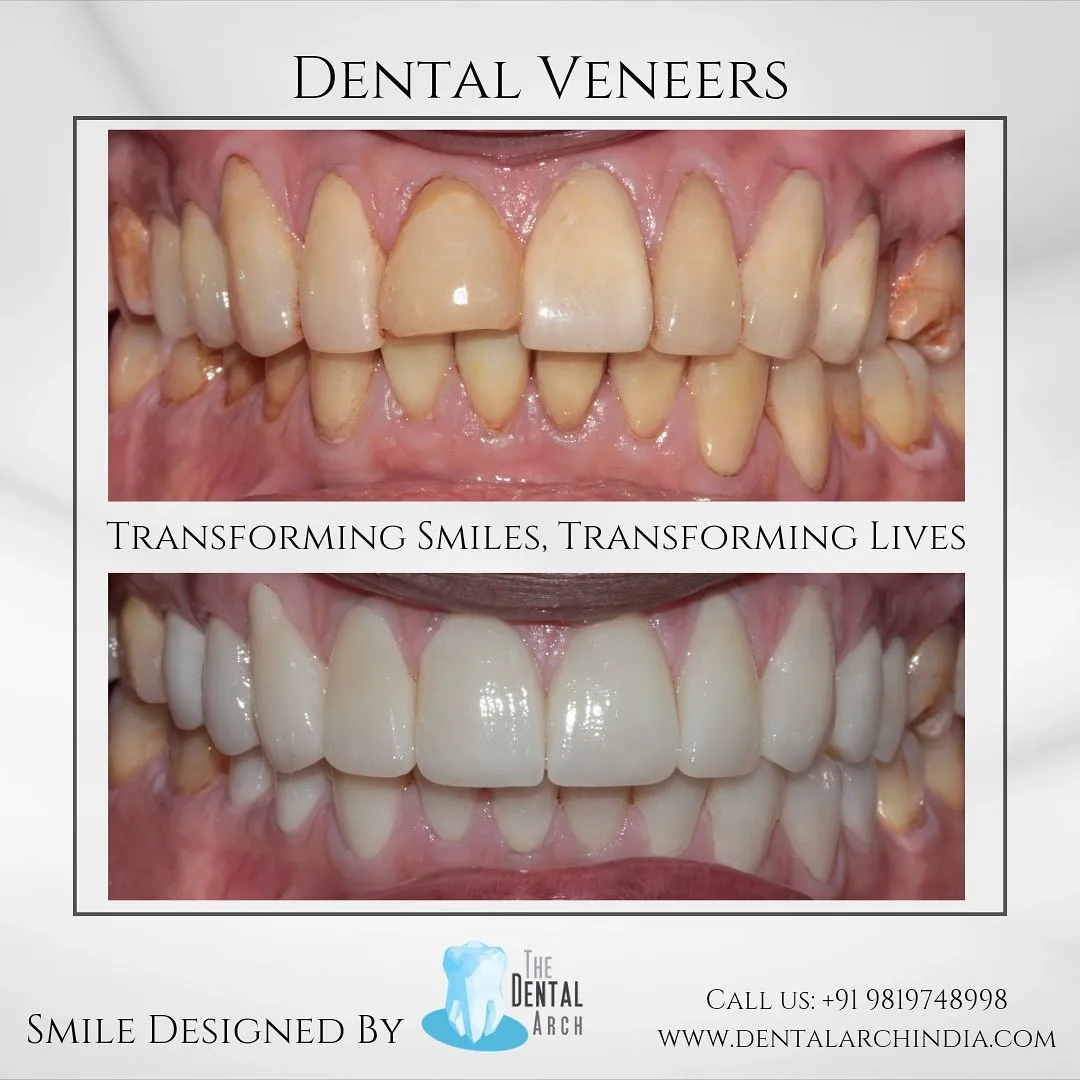
Dental veneers have become one of the most popular cosmetic dental treatments for people who want to improve their smile quickly and effectively. Many patients search for before and after veneers results to understand how dramatically veneers can transform teeth that are chipped, stained, uneven, or slightly misaligned.
Veneers are thin shells made from porcelain or composite material that are placed on the front surface of teeth. They are designed to improve the appearance of the teeth by correcting issues such as discoloration, gaps, worn enamel, and irregular shapes.
In this guide, we explain what your teeth may look like before and after veneers, the procedure involved, the benefits, limitations, and what patients should realistically expect from this cosmetic dental treatment.
Before and After Veneers (Quick Answer)
The difference between before and after veneers can be significant. Before treatment, teeth may appear stained, chipped, uneven, or misaligned. After veneers are placed, teeth usually look whiter, more symmetrical, and naturally shaped, creating a brighter and more balanced smile.
What Are Dental Veneers?
Dental veneers are thin custom-made shells designed to cover the front surface of teeth. They are bonded to the tooth using dental cement to enhance the appearance of the smile.
The most common types include:
Porcelain Veneers
Composite Veneers
Both options can significantly improve the appearance of teeth.
Common Dental Problems Veneers Can Fix
Many people consider veneers when they want to correct visible cosmetic concerns.
Veneers can help improve:
- Discolored or stained teeth
- Chipped or broken teeth
- Uneven tooth shape
- Small gaps between teeth
- Mildly misaligned teeth
- Worn enamel
Because veneers cover the visible surface of teeth, they provide a fast cosmetic improvement.
Before Veneers: What Teeth May Look Like
Before getting veneers, patients often have cosmetic dental concerns that affect their smile confidence.
Common conditions seen before veneers include:
1. Tooth Discoloration
Some stains caused by medication, aging, or enamel damage do not respond well to teeth whitening.
2. Chipped or Worn Teeth
Teeth can chip due to accidents, grinding, or natural wear over time.
3. Uneven or Irregular Tooth Shape
Some teeth may appear shorter, smaller, or irregular in shape.
4. Small Gaps Between Teeth
Minor spacing between teeth can affect smile aesthetics.
5. Slight Misalignment
Veneers can visually improve mild alignment issues without braces.
After Veneers: How Your Smile Changes
Once veneers are placed, patients typically notice immediate cosmetic improvements.
Common results seen after veneers include:
- Brighter Smile: Veneers are designed in a shade that enhances the brightness of the smile.
- Improved Tooth Shape: Teeth appear more uniform and symmetrical.
- Gap Correction: Small spaces between teeth can be closed.
- Natural Appearance: Modern veneers are carefully shaped to look like natural teeth.
- Enhanced Smile Confidence: Many patients report feeling more confident in social and professional settings.
Before and After Veneers Comparison
| Feature | Before Veneers | After Veneers |
|---|
| Tooth Color | Yellow or stained | Bright and uniform |
| Tooth Shape | Uneven or chipped | Smooth and symmetrical |
| Tooth Alignment | Slightly crooked | Visually aligned |
| Smile Appearance | Uneven smile | Balanced smile |
| Confidence | Often reduced | Usually improved |
Veneers Procedure: Step-by-Step
Understanding the procedure helps patients know what to expect.
Step 1: Consultation: The dentist evaluates teeth, discusses smile goals, and determines whether veneers are suitable.
Step 2: Tooth Preparation: A small amount of enamel may be removed from the front surface of the tooth to create space for the veneer.
Step 3: Dental Impressions: Impressions of the teeth are taken to create custom veneers.
Step 4: Temporary Veneers: Temporary veneers may be placed while the final veneers are being prepared.
Step 5: Veneer Placement: The dentist bonds the veneers to the teeth using a special adhesive.
The procedure typically takes two dental visits.
Benefits of Dental Veneers
Veneers are popular because they offer several cosmetic advantages.
- Natural Appearance: Porcelain veneers closely resemble natural tooth enamel.
- Long-Lasting Results: With proper care, veneers can last 10–15 years or longer.
- Stain Resistance: Porcelain veneers resist stains better than natural teeth.
- Minimal Tooth Alteration: Only a small amount of enamel is usually removed.
- Immediate Smile Improvement: Results are visible as soon as the veneers are placed.
Limitations of Veneers
Possible limitations include:
- Irreversible procedure (some enamel removal required)
- Higher cost compared to teeth whitening
- Not suitable for severely damaged teeth
- May need replacement after several years
- Tooth grinding can damage veneers
A dentist can determine whether veneers are the right treatment.
Realistic Expectations from Veneers
It is important to understand that veneers improve the appearance of teeth, but they are not a treatment for all dental problems.
Veneers are best suited for cosmetic concerns rather than major structural or orthodontic issues. In cases of severe misalignment or bite problems, orthodontic treatment may be recommended before veneers.
How Long Do Veneers Last?
The lifespan of veneers depends on several factors.
Average longevity:
- Porcelain veneers: 10–15 years
- Composite veneers: 5–7 years
Good oral hygiene, regular dental checkups, and avoiding habits like nail biting or teeth grinding can extend their lifespan.
Tips to Maintain Veneers
To maintain the appearance and durability of veneers, dentists usually recommend:
- Brushing twice daily
- Flossing regularly
- Avoiding hard foods that may chip veneers
- Wearing a night guard if you grind your teeth
- Visiting the dentist for regular checkups
Proper care helps maintain long-lasting before and after veneer results.
Consult the Best Dental Clinic in Bandra
Proper care after getting dental veneers is important to maintain their appearance and ensure long-lasting results. If you notice sensitivity, discomfort, or any issues with your veneers, consulting an experienced Dental Clinic in Bandra can help ensure your smile remains healthy and your veneers stay in excellent condition.
Frequently Asked Questions: Before and After Veneers