
Wisdom tooth pain is a common problem experienced by teenagers and adults alike. When wisdom teeth begin to erupt or become impacted, they often cause swelling, pressure, and persistent discomfort at the back of the mouth. Many people search for how to reduce wisdom tooth pain because the pain can interfere with eating, sleeping, and daily activities.
In this detailed guide, you will learn how to reduce wisdom tooth pain using proven home remedies for wisdom tooth pain, safe natural remedies for wisdom tooth pain, and practical oral care tips. This article also explains why wisdom teeth hurt, when pain becomes serious, and when professional dental care is necessary.
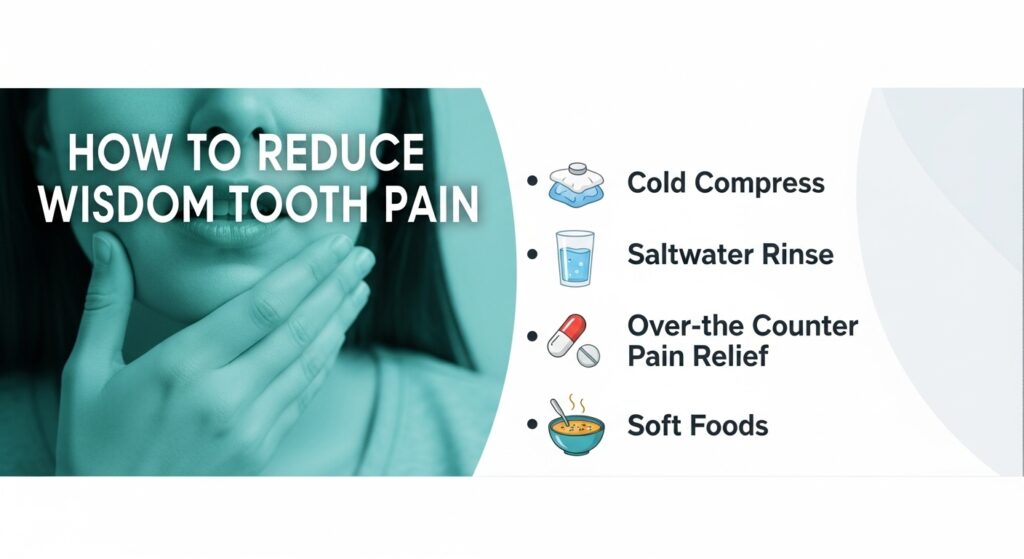
Wisdom teeth, also called third molars, usually emerge between the ages of 17 and 25. These teeth are the last to develop and often do not have enough space to grow properly. When this happens, pain and inflammation are common.
The most frequent causes of wisdom tooth pain include:
Understanding the cause of the pain is essential when learning how to reduce wisdom tooth pain effectively and safely.
Many people look for immediate relief before visiting a dentist. Fortunately, several home remedies for wisdom tooth pain can help reduce inflammation and discomfort temporarily.
A saltwater rinse for wisdom tooth pain is one of the simplest and most effective methods to relieve discomfort.
Saltwater helps by:
To prepare a saltwater rinse:
Using a saltwater rinse for wisdom tooth pain regularly can significantly improve oral hygiene and comfort.
Cold therapy is an effective way to reduce swelling and numb pain. Applying a cold compress to the outside of the cheek helps reduce inflammation around the wisdom tooth.
How to use:
Cold compresses are a reliable option when learning how to reduce wisdom tooth pain naturally.
Clove oil for wisdom tooth pain has been used for generations due to its natural numbing and antibacterial properties. The active compound, eugenol, acts as a mild anesthetic.
How to use clove oil safely:
Clove oil should not be swallowed or applied excessively, but when used correctly, clove oil for wisdom tooth pain provides quick relief.
Peppermint for wisdom tooth pain works by providing a cooling sensation that soothes inflamed gum tissue. Peppermint also contains antibacterial properties that help keep the area clean.
Ways to use peppermint:
Peppermint is a gentle and effective option among natural remedies for wisdom tooth pain.
Aloe vera for wisdom tooth pain is ideal for people with sensitive gums. Aloe vera is known for its anti-inflammatory and healing properties.
Benefits of aloe vera include:
Apply pure aloe vera gel directly to the affected area two to three times daily for relief.
Onions contain antibacterial compounds that may help reduce inflammation and prevent infection.
How to use:
This method can support wisdom tooth pain relief by reducing bacterial activity around the gums.
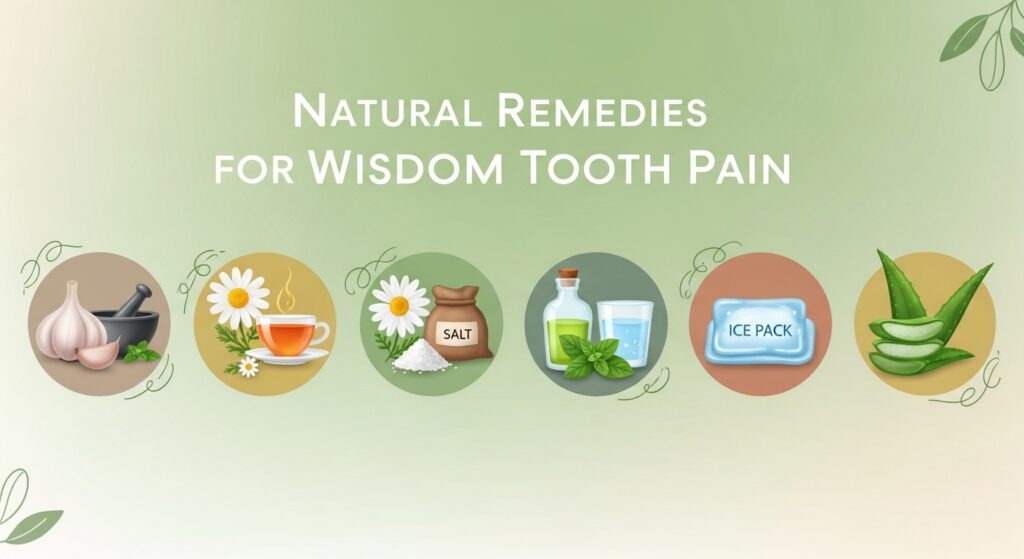
Using natural remedies for wisdom tooth pain consistently can help manage symptoms until professional treatment is available.
Common natural remedies include:
These remedies complement other methods used for how to reduce wisdom tooth pain without harsh chemicals.
Eating can be difficult when wisdom teeth are painful. Choosing the right foods plays a crucial role in wisdom tooth pain relief.
Best Foods to Eat
Soft foods reduce pressure on sensitive gums and teeth:
These foods allow the mouth to heal while minimizing discomfort.
Foods to Avoid
Avoid foods that can worsen irritation:
Avoiding these foods supports home remedies for wisdom tooth pain and speeds recovery.
Maintaining good oral hygiene is essential when dealing with wisdom tooth pain.
Helpful tips include:
Proper oral care reduces bacteria and inflammation, making it easier to manage pain.
Wisdom tooth pain often feels worse at night due to increased blood flow when lying down.
Night-time relief tips:
These steps can significantly improve sleep quality and overall wisdom tooth pain relief.
In some cases, wisdom tooth pain may decrease once the tooth fully erupts. However, pain often returns if the tooth is impacted or difficult to clean.
Pain that persists or worsens may indicate:
Knowing how to reduce wisdom tooth pain is helpful, but ongoing pain should not be ignored.
While home remedies for wisdom tooth pain can provide temporary relief, professional care is sometimes necessary.
Seek dental care if you experience:
A dentist may recommend medication, deep cleaning, or wisdom tooth removal depending on the condition.
Prevention is an important part of long-term oral health.
Preventive steps include:
Preventive care reduces the risk of repeated wisdom tooth pain relief needs.
Learning how to reduce wisdom tooth pain involves combining proper oral hygiene, dietary care, and effective home remedies for wisdom tooth pain. Techniques such as saltwater rinse for wisdom tooth pain, clove oil for wisdom tooth pain, peppermint for wisdom tooth pain, and aloe vera for wisdom tooth pain can provide meaningful relief.
While these methods help control discomfort, persistent or severe pain should always be evaluated by a dental professional. Early treatment ensures better oral health and prevents complications in the future.
When a wisdom tooth is erupting (pushing through the gum), the pressure causes significant discomfort. You can reduce this pain by:
Gently massaging the gum with a clean finger.
Using a warm saltwater rinse to keep the area clean and reduce pressure.
Applying a numbing gel (Benzocaine) directly to the site of the growing tooth.
The most effective way to reduce overall pain is to combine methods. Use over-the-counter anti-inflammatories (like Ibuprofen) to stop the ache at the nerve, and use clove oil or numbing gels to stop the surface pain in the gums.
welling is caused by inflammation. To bring it down:
Cold Compress: Apply an ice pack to your cheek for 15 minutes at a time.
Stay Hydrated: Drinking water helps flush out bacteria that might be causing the swelling.
Elevation: Sleep with your head slightly elevated to prevent blood from pooling in your jaw, which reduces throbbing and swelling.
Pain is often caused by the tooth being "impacted" (stuck). To manage this, avoid chewing on that side of your mouth and stick to a soft food diet (soups, yogurt, mashed potatoes) to prevent further irritation to the sore area.
Focus on hygiene. Often, pain in the tooth itself is caused by food particles getting trapped under the gum flap. Use a soft-bristled toothbrush to very gently clean the back of your mouth, even if it is tender, to prevent an infection called pericoronitis.