
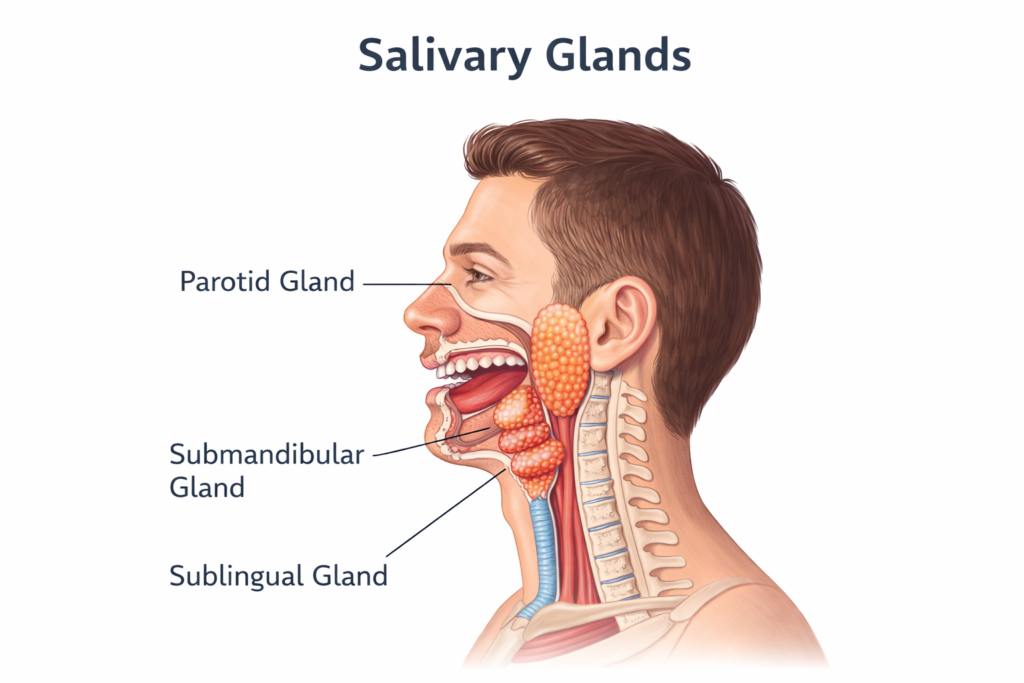
Experiencing a persistent feeling of dryness or stickiness in your mouth can be more than just a minor annoyance. This condition, medically known as xerostomia, occurs when salivary glands do not produce enough saliva to keep the mouth moist. Knowing how to treat dry mouth is essential because saliva plays a critical role in your oral health by washing away food particles, neutralizing acids produced by bacteria, and aiding in digestion.
In this guide, we will explore effective ways on how to treat dry mouth using natural remedies, lifestyle changes, and professional dental advice.

Before diving into how to treat dry mouth, it is important to understand why it happens. Xerostomia can be triggered by several factors:
If you are looking for immediate relief at home, here are several effective natural methods for how to treat dry mouth:

One of the simplest strategies for how to treat dry mouth is to carry a water bottle and take frequent, small sips throughout the day. Constant hydration helps maintain moisture levels and supports overall oral health.
Snacking on water-rich, crunchy vegetables like apples, carrots, and cucumbers acts as a natural “mouthwash”. The physical act of chewing these foods stimulates salivary glands to produce more moisture.
If your symptoms worsen while you sleep, using a humidifier in your bedroom is a key step in how to treat dry mouth. Adding moisture to the air prevents dry air from sucking the hydration out of your mouth while you rest.
Based on traditional practices, swishing coconut or sesame oil in your mouth for 10–15 minutes can help hydrate gums and tissues.
Sometimes, home remedies are not enough. If you are struggling with chronic xerostomia, a professional smile makeover or a targeted dental consultation may be necessary.
When considering how to treat dry mouth professionally, a dentist might recommend:
At Dental Clinic in Mumbai, specialists use advanced technology to assess your oral health holistically. If dry mouth is causing secondary issues like tooth decay or gummy smile concerns, treatments like gum contouring or professional teeth whitening might be integrated into your care plan once the dryness is managed.
Understanding how to treat dry mouth involves a combination of staying hydrated, avoiding irritants like caffeine and tobacco, and using natural stimulants like ginger or crunchy vegetables. By taking proactive steps at home and seeking professional dental advice when symptoms persist, you can regain your comfort and protect your long-term oral health.
Using a humidifier near your bedside and taking small sips of water before bed are among the most effective natural ways for how to treat dry mouth at night.
Yes, sucking on a lemon wedge or adding lemon juice to water can naturally stimulate saliva production. However, be cautious as the acidity can affect tooth enamel if used excessively.
Saliva is essential for neutralizing acids, aiding digestion, and protecting against tooth decay. Finding out how to treat dry mouth quickly is important to prevent these dental issues.
While often caused by dehydration or medication, persistent dry mouth can be a symptom of underlying conditions like diabetes. Consult a dentist to rule out serious concerns.