
Mouth swelling inside cheek is a common problem that can range from mild irritation to a sign of an underlying health issue. The swelling may occur on one side or both, with or without pain, and can appear suddenly or after eating. Understanding the causes and remedies is essential for quick relief and preventing complications.
In this article, we’ll cover everything you need to know: causes, symptoms, home remedies, and medical treatments.
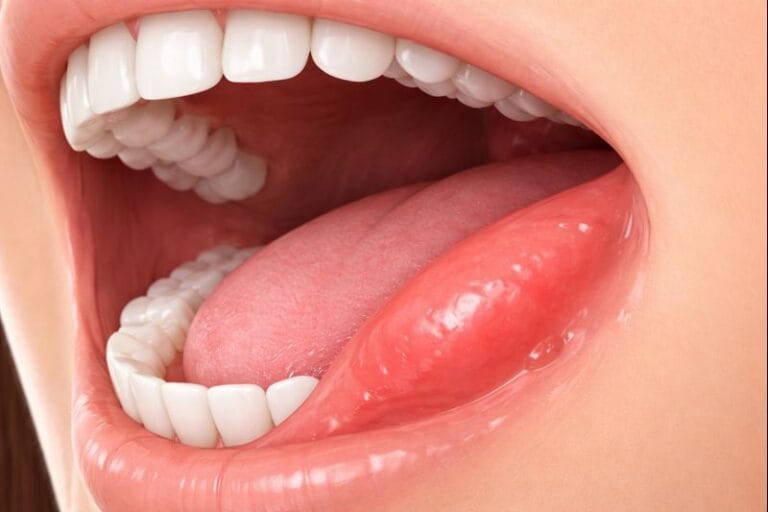
Swelling inside the cheek can happen for several reasons:
Biting the cheek accidentally while chewing
Sharp foods like chips or nuts causing small cuts
Can cause mild swelling, redness, or bruising
Bacterial infections like cellulitis
Viral infections such as cold sores
Can cause painful swelling, redness, and sometimes fever
Small, round sores inside the cheek
Can cause swollen inner cheek pain and discomfort when eating or speaking
Blocked salivary ducts may cause swelling inside the cheek
Usually occurs on one side, sometimes with a salty taste or dry mouth
Food or medication allergies can cause rapid swelling
Swelling may appear without pain but can be accompanied by itching
Tooth abscess or gum infections can cause cheek swelling on one side. In many cases, dentists treat the infection using root canal treatment to remove bacteria from inside the tooth. You can also see root canal before and after results to understand how the procedure helps save infected teeth.
Often painful and may worsen when chewing
Some people experience mouth swelling inside cheek after eating due to spicy or acidic foods
Can also be caused by mechanical irritation from hard foods
Visible puffiness or bulge inside the cheek
Redness or irritation
Pain (may be mild or severe)
Difficulty chewing or speaking
Sometimes no pain (swollen inner cheek no pain)
For mild cases or swelling due to minor injury or irritation:
Cold Compress
Apply ice wrapped in a cloth for 10–15 minutes to reduce swelling
Salt Water Rinse
Rinse your mouth with warm salt water 2–3 times a day to reduce bacteria
Aloe Vera Gel
Apply fresh aloe vera to the affected area for soothing relief
Hydration
Drink plenty of water to help flush out toxins and reduce inflammation
Avoid Irritants
Stay away from spicy, acidic, or hard foods until swelling subsides
Over-the-Counter Pain Relief
Use anti-inflammatory medicines like ibuprofen if swelling is painful

Seek medical help if:
Swelling persists more than a few days
There is severe pain, fever, or pus
You notice swelling on one side of face no pain that keeps growing
Medical treatments may include:
Prescription antibiotics for bacterial infections
Drainage of abscesses, Drainage of abscesses or tooth extraction may be required if the infection has severely damaged the tooth.
Allergy management (antihistamines or corticosteroids)
Dental procedures for infected teeth or gums
Maintain good oral hygiene (brush twice daily, floss regularly)
Avoid biting your cheeks or eating very hard foods carelessly
Treat dental issues promptly
Avoid foods that trigger allergies or irritation
Drink enough water to prevent dry mouth
If swelling occurs after dental surgery such as wisdom tooth removal, following the proper dos and don’ts after wisdom tooth extraction helps reduce inflammation and speed up recovery. Dentists also recommend eating soft foods after tooth extraction to avoid irritating the swollen tissues.
Swelling doesn’t improve within 2–3 days with home care
Severe swollen inner cheek pain or fever
Difficulty swallowing, breathing, or speaking
Recurrent swelling on one side of the face
Early intervention prevents complications and speeds up healing.
Mouth swelling inside cheek can be caused by trauma, infection, dental issues, allergies, or food irritation. While mild cases can be managed at home with cold compresses, saltwater rinses, and aloe vera, persistent or severe swelling requires medical evaluation. Understanding the cause and using the right treatment ensures a fast recovery and prevents complications.
Swelling inside the cheek can occur due to a variety of reasons, including:
Injury or trauma: Accidentally biting your cheek or irritation from sharp foods.
Infections: Bacterial or viral infections, including cold sores or dental abscesses.
Canker sores or ulcers: Small painful sores that cause localized swelling.
Salivary gland issues: Blocked ducts can lead to swelling on one side of the cheek.
Allergic reactions: Certain foods, medications, or dental products may trigger swelling.
Dental problems: Infections, abscesses, or gum issues can cause painful cheek swelling.
For mild swelling, you can try these home remedies:
Cold compress: Apply ice wrapped in a cloth for 10–15 minutes to reduce swelling.
Salt water rinse: Rinse with warm salt water 2–3 times daily to reduce bacteria and inflammation.
Aloe vera gel: Apply fresh aloe vera to soothe irritation.
Avoid irritants: Stay away from spicy, acidic, or hard foods until swelling reduces.
Hydration: Drink plenty of water to keep your mouth moist.
Over-the-counter pain relief: Use anti-inflammatory medicines like ibuprofen if needed.
Note: Home remedies work best for mild swelling. If swelling persists or worsens, see a dentist or doctor.
Assess the cause: Check for injuries, ulcers, dental issues, or recent food reactions.
Practice home care: Use salt water rinses, cold compresses, and maintain oral hygiene.
Avoid irritants: Stop using harsh mouthwashes or spicy foods until swelling subsides.
Monitor symptoms: Seek immediate care if swelling is severe, painful, or accompanied by fever.
Consult a healthcare professional: Especially if swelling persists more than a few days, involves one side of the face, or you notice lumps.
A bulge in the inner cheek may appear due to:
Cysts or minor abscesses caused by infection or blocked salivary glands.
Canker sores or ulcers creating localized swelling.
Dental abscesses or gum infections that push the tissue outward.
Injury or trauma from biting or sharp foods.
Allergic reactions that cause localized swelling without pain.
Most bulges are minor, but if the bulge is persistent, painful, or growing, consult a dentist or doctor to rule out serious infections or tumors.
Yes! Salt water is an effective home remedy for mild cheek swelling. It works by:
Reducing bacteria in the mouth, preventing infection.
Soothing inflamed tissue and speeding up healing.
Reducing discomfort and irritation caused by ulcers or minor injuries.
How to use: Dissolve half a teaspoon of salt in a cup of warm water and rinse your mouth for 30–60 seconds, 2–3 times daily. Avoid swallowing the solution.
Note: Salt water is helpful for mild swelling but may not work for infections, abscesses, or severe swelling. Professional treatment may be needed.